Crochet Snow Crocus Winter Coaster Set

Affiliate disclosure: This post may contain affiliate links. I may earn a small commission at no extra cost to you. See our Privacy Policy for details HERE.
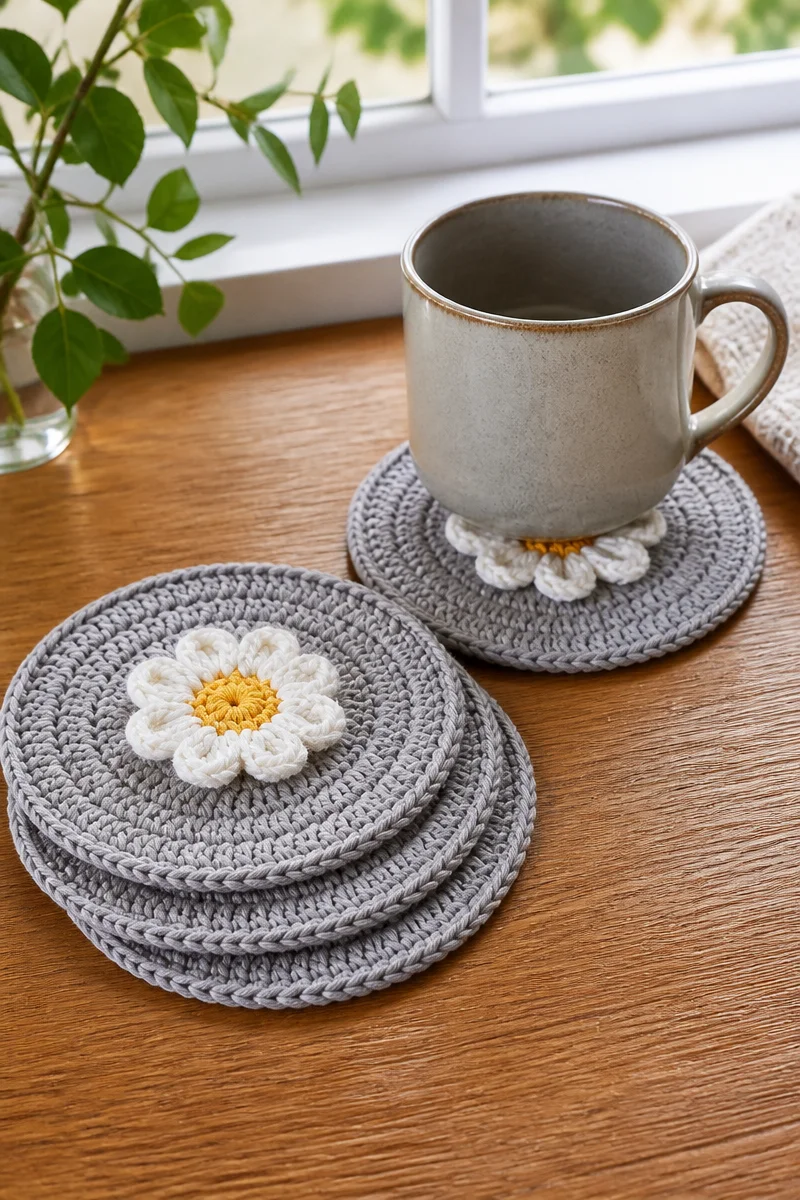
A Crochet Snow Crocus Winter Coaster Set brings a small touch of spring to the coldest days of the year. I love how a few crocheted flowers can make a table feel warm and cheerful, even when winter is still in full swing. These coasters are useful, too, so they are more than pretty decorations.
The snow crocus design pairs a simple, flat coaster shape with flower-inspired details. Depending on the pattern, the petals may be worked into the coaster or added as a separate layer. The project is usually approachable for confident beginners, especially when the pattern explains its stitches and shaping clearly.
In this guide, you will learn what makes a crochet snow crocus coaster special, which yarn and hook choices work well, and how to keep your project neat and practical. You will also find tips for even stitches, easy care, and common mistakes to watch for.
What Is the Crochet Snow Crocus Coaster Technique?
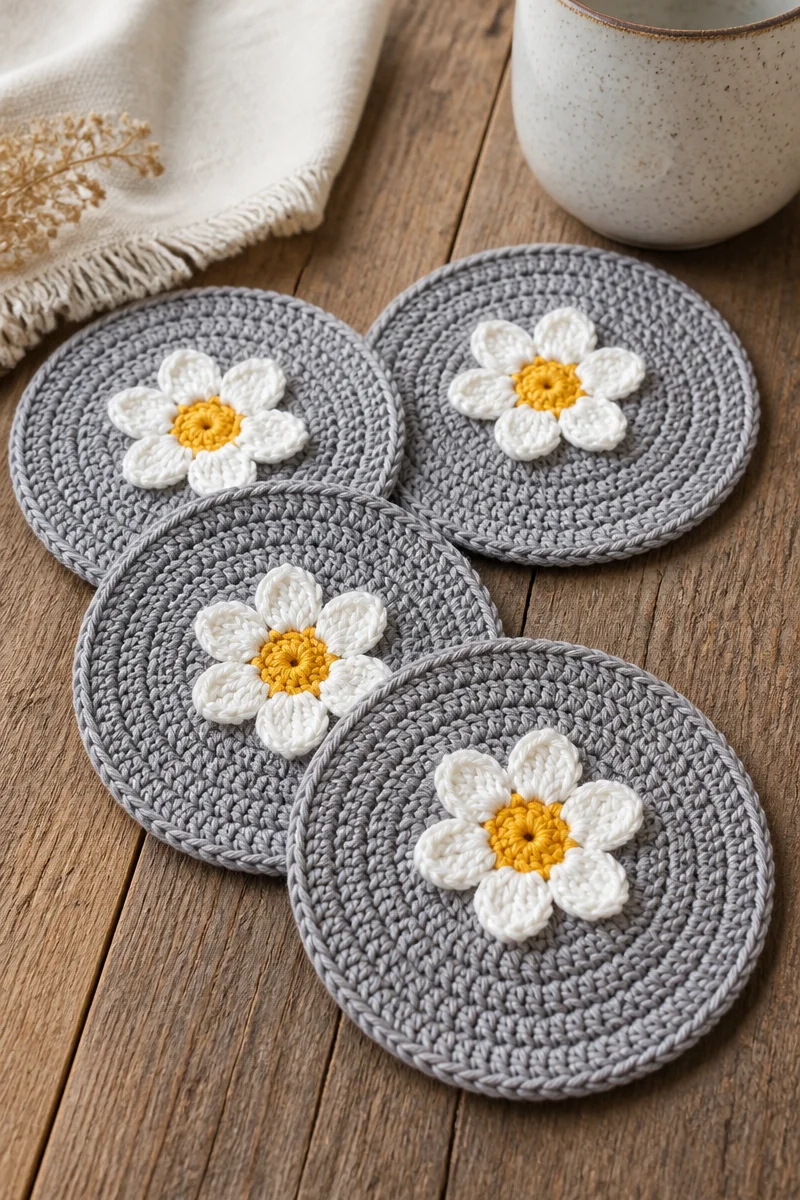
A crochet snow crocus coaster is a small, flower-inspired crochet project, rather than the name of one standard stitch. Its look often comes from combining basic stitches, such as chain stitches, single crochet, and taller stitches, to shape a flat center and petal-like edges. Some designs create the flower shape with increases, while others crochet petals separately and attach them.
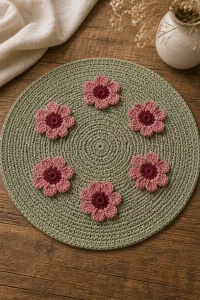
The finished coaster may have a round center with soft points or curved petals around the edge. As a result, it looks like a snow crocus while still providing a useful spot for a mug or glass. Crocheters enjoy this design because it uses familiar skills, allows room for color choices, and makes a lovely handmade gift.
Why This Is a Great Choice for Winter Coasters
- It adds seasonal color: Crocus-inspired shades can brighten a winter table. For example, try purple, yellow, white, or soft green.
- It makes a useful small project: A coaster can be finished more quickly than a blanket or garment. Therefore, it is a satisfying choice for a short crafting session.
- It offers practice with shaping: Petals and a flat center help you practice increases and stitch placement without making a large project.
- It works well as a gift: Make a matching set for a host, neighbor, or friend. Then, tie the coasters with a simple ribbon for a thoughtful finish.
- It can suit many skill levels: Beginners can choose a design with basic stitches, while experienced crocheters can explore layered petals or detailed color changes.
Yarn and Hook Recommendations
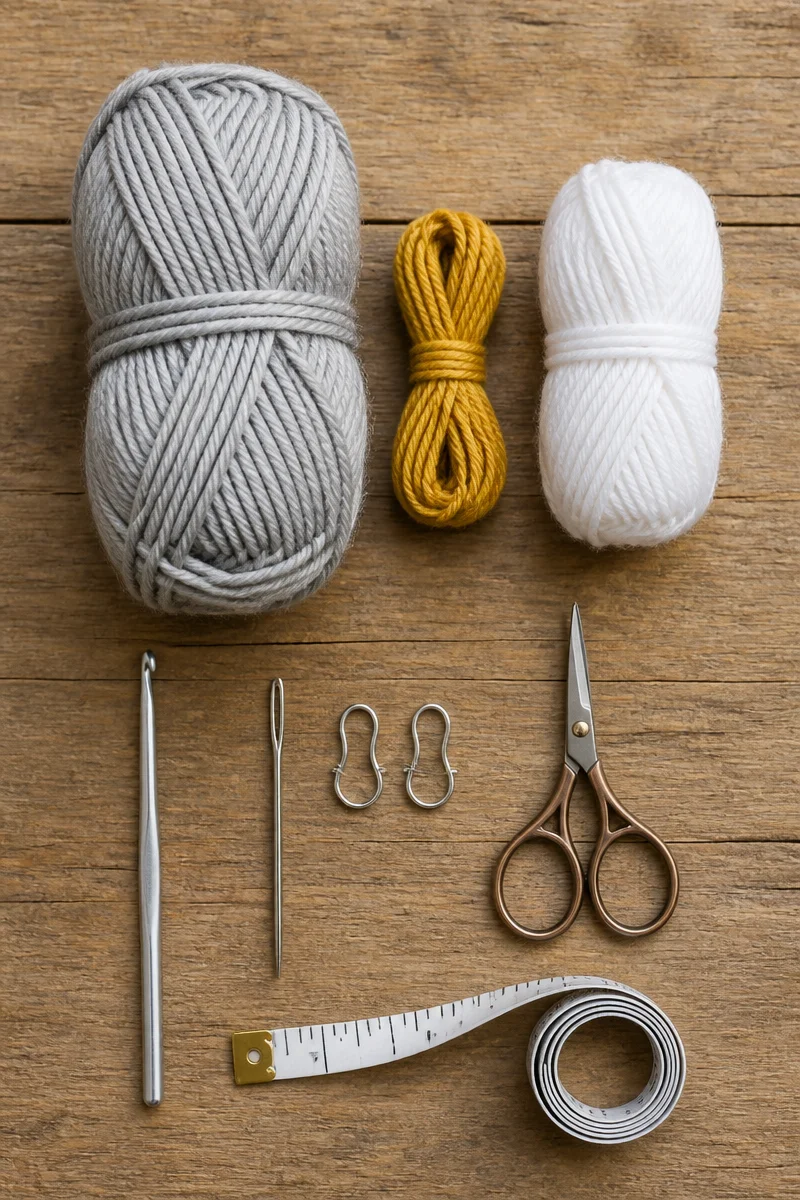
- Choose cotton yarn for everyday use: Cotton absorbs small drips, holds its shape, and handles frequent use well. It is often a reliable choice for a crochet snow crocus coaster.
- Try worsted-weight cotton for a sturdy result: This common yarn weight creates a firm coaster without making it too bulky. However, check the pattern before changing yarn weight.
- Consider DK-weight cotton for finer details: Lighter yarn can show off delicate petals, though it may produce a smaller coaster.
- Use the hook size listed in the pattern as a starting point: A hook around 4 mm to 5 mm is common with worsted-weight cotton, but yarn labels and personal tension vary.
- Choose a slightly smaller hook if the fabric feels loose: A firm fabric helps a coaster lie flat and support a cup. Still, keep your stitches comfortable rather than pulling them too tight.
- Use acrylic only when the design and care needs suit it: Acrylic yarn is easy to find and comes in many colors. However, cotton is often more absorbent and better suited to coasters that may get damp.
Tips for Crochet Snow Crocus Coaster Success
First, check your tension as you work. Coasters should feel firm enough to sit under a mug, yet flexible enough to lie flat. If the center starts to cup or the edge begins to ripple, pause and compare your stitch count with the pattern. Then, adjust your hook or tension if needed.
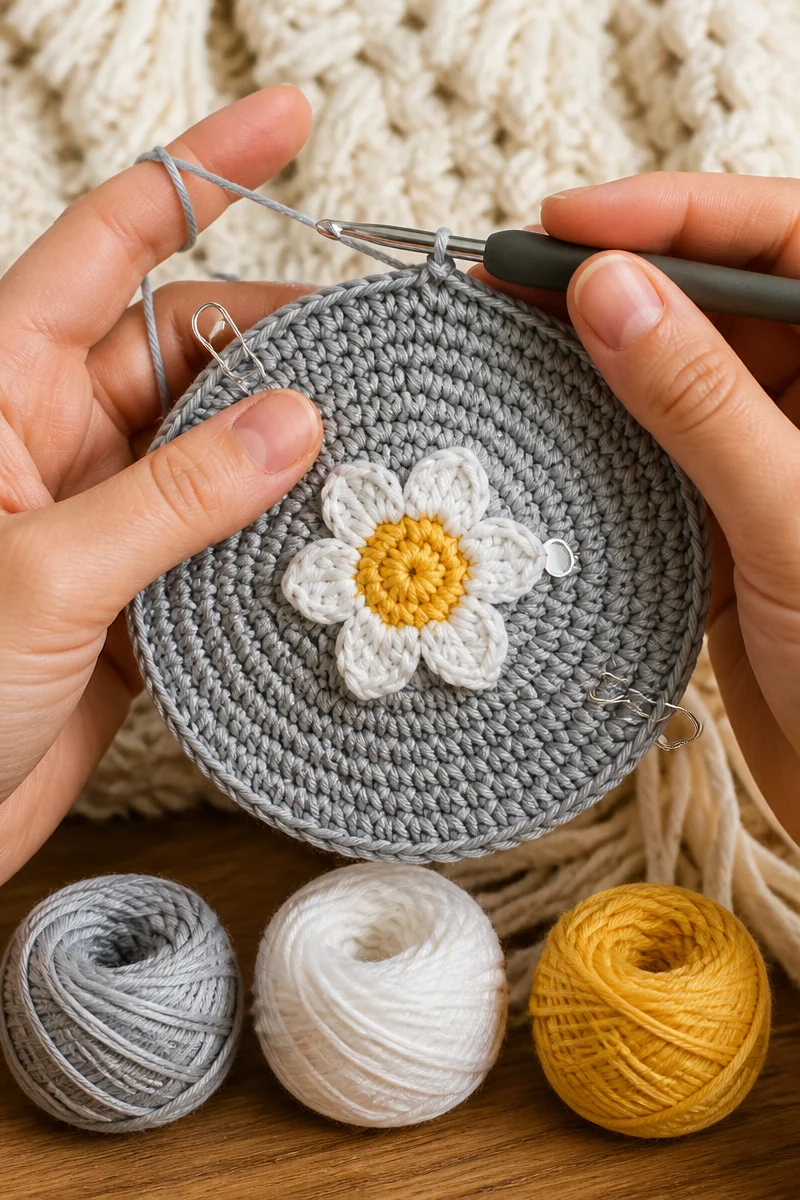
Next, mark the start of each round if the pattern is worked in the round. This small step can help you see where each round begins, especially when the flower has several color changes. Also, count stitches after shaping rounds, and look at the coaster from above now and then. A short break can help you spot uneven petals before they become hard to fix.
Common Mistakes to Avoid
One common issue is using a yarn that is too thick or a hook that is too large. As a result, the coaster may feel bulky or loose. Check the pattern’s yarn guidance, and remember that a dense fabric usually works best for a coaster.
Another pitfall is missing increases or decreases in the flower shaping. The petals may look uneven if the stitch count changes by mistake. Therefore, count each round and place a marker at the beginning when helpful.
A coaster can also curl or ripple if the stitch tension is uneven. If it cups, it may need more room around the edge. If it waves, the edge may have too many stitches. Check the pattern before adding or removing stitches, since the right fix depends on the design.
Finally, avoid adding heavy embellishments where a cup will sit. Raised beads or thick layered details can make the coaster unstable. Instead, keep the center fairly flat and save extra decoration for the outer petals.
Care and Washing Instructions
Washing: For cotton coasters, hand-wash or machine-wash on a gentle cycle with cool or warm water, following the yarn label. If the set has several colors, wash it separately the first time in case the dye runs. For other fibers, follow the care directions on the label.
Drying: Press out extra water with a towel instead of wringing the coaster. Then, lay it flat and shape the petals while it dries. This helps the coaster keep its flower form.
Blocking: A light blocking can help the coaster lie flat and make the petals look neat. Dampen the piece, shape it gently on a flat surface, and let it dry fully. However, always check that the yarn can handle moisture and heat before blocking.
More Ideas to Try
Once you finish a crochet snow crocus coaster, try a daisy coaster, a simple round coaster with a scalloped edge, a granny-square coaster, or a small flower appliqué on a mug rug. You can also make a matching set in different spring colors, so each coaster has its own look while sharing the same shape.
Conclusion
A Crochet Snow Crocus Winter Coaster Set combines a cheerful flower look with a practical use. With cotton yarn, an appropriate hook, and careful stitch counting, you can make coasters that lie flat and hold their shape. Most of all, take your time and enjoy watching the petals appear.
Ready to give this project a try? Choose your favorite crocus colors, make one coaster, and see how the design feels in your hands. Then, share your finished set or explore more crochet coaster and flower projects on the blog.