Crochet Pie Crust Baby Beanie

Affiliate disclosure: This post may contain affiliate links. I may earn a small commission at no extra cost to you. See our Privacy Policy for details HERE.
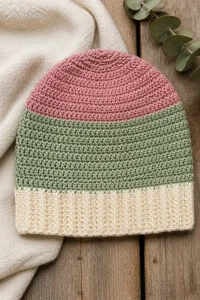
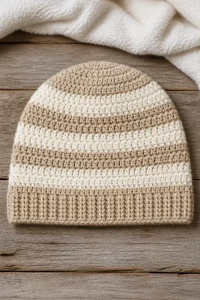
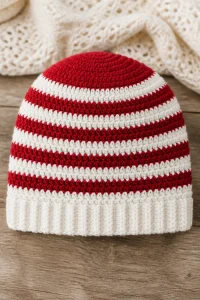
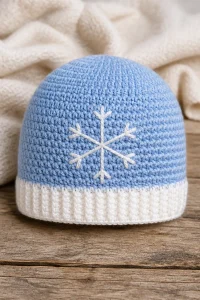
Crochet baby hats have a special charm, and the pie crust baby beanie is one of those sweet designs that always feels classic. I love this style because it brings a soft, ruffled edge to a simple hat, so it looks charming without being fussy. Plus, it has that handmade look that makes a baby gift feel extra thoughtful.
What makes the crochet pie crust baby beanie stand out is its gentle texture and decorative brim. The “pie crust” look usually comes from a pretty shell-like or ruffled stitch finish, which gives the hat a soft, feminine edge. Even better, this style can be beginner-friendly when you work with basic stitches and a simple hat shape.
In this guide, you will learn what the pie crust stitch effect is, why it works so well for baby beanies, and how to choose the best yarn and hook. You will also get practical tips, common mistakes to avoid, and care advice, so you can make a baby beanie that looks lovely and wears well.
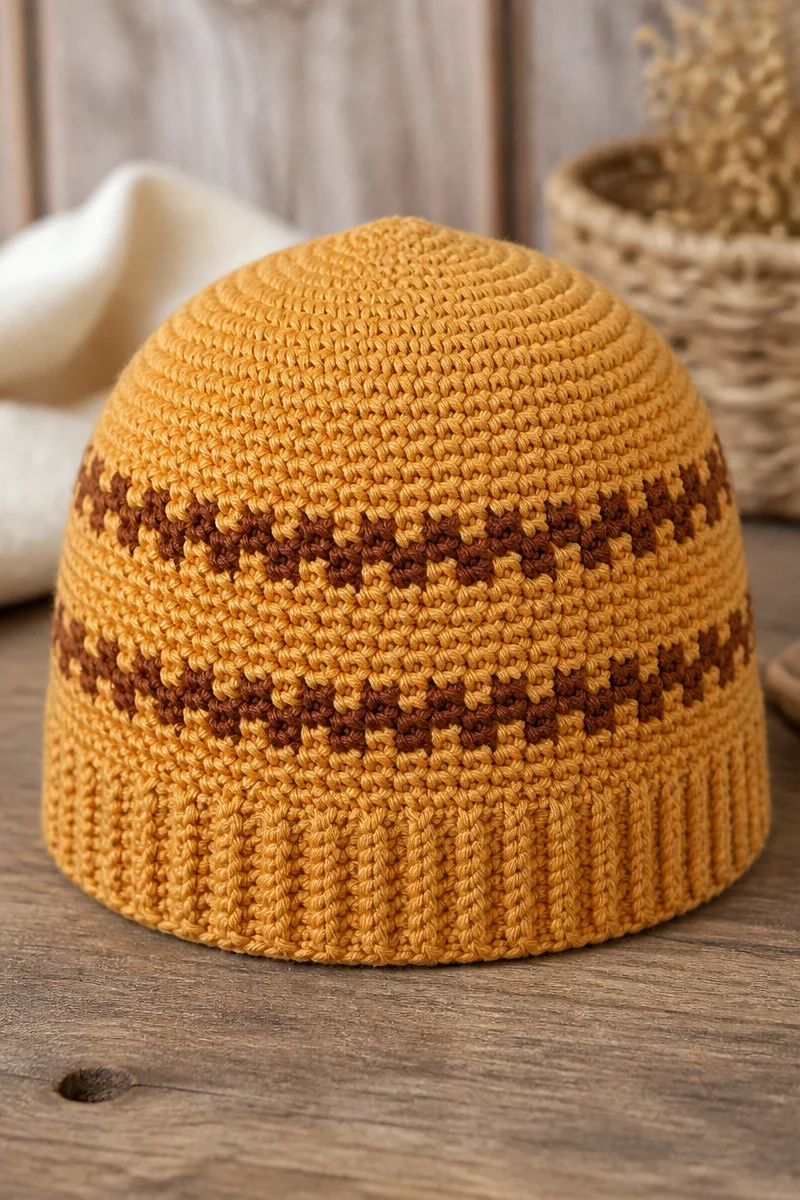
What Is the Pie Crust Stitch Effect?
The pie crust stitch effect is a decorative crochet finish that creates a softly flared, ruffled, or shell-like edge. In many baby beanie designs, this effect is made by working shell stitches, clusters, or shaped rounds near the brim. As a result, the hat gets a delicate edge that looks a bit like a pie crust, which is where the name comes from.
Crocheters like this technique because it adds style without needing complicated shaping. Also, it gives a simple beanie a polished, handmade finish. Depending on the pattern, the pie crust look may be subtle or bold, but it always adds charm.
Why This Is a Great Choice for Baby Beanies
- Soft and sweet look: The ruffled edge gives the beanie a gentle, baby-friendly style.
- Easy to dress up: Even a plain hat looks special with a pie crust finish.
- Comfortable for little heads: When made with soft yarn, it feels cozy and light.
- Great for gifts: This style looks thoughtful, so it works well for showers, birthdays, and photos.
- Works in many colors: It looks lovely in pastels, neutrals, and even deeper shades.
Yarn and Hook Recommendations
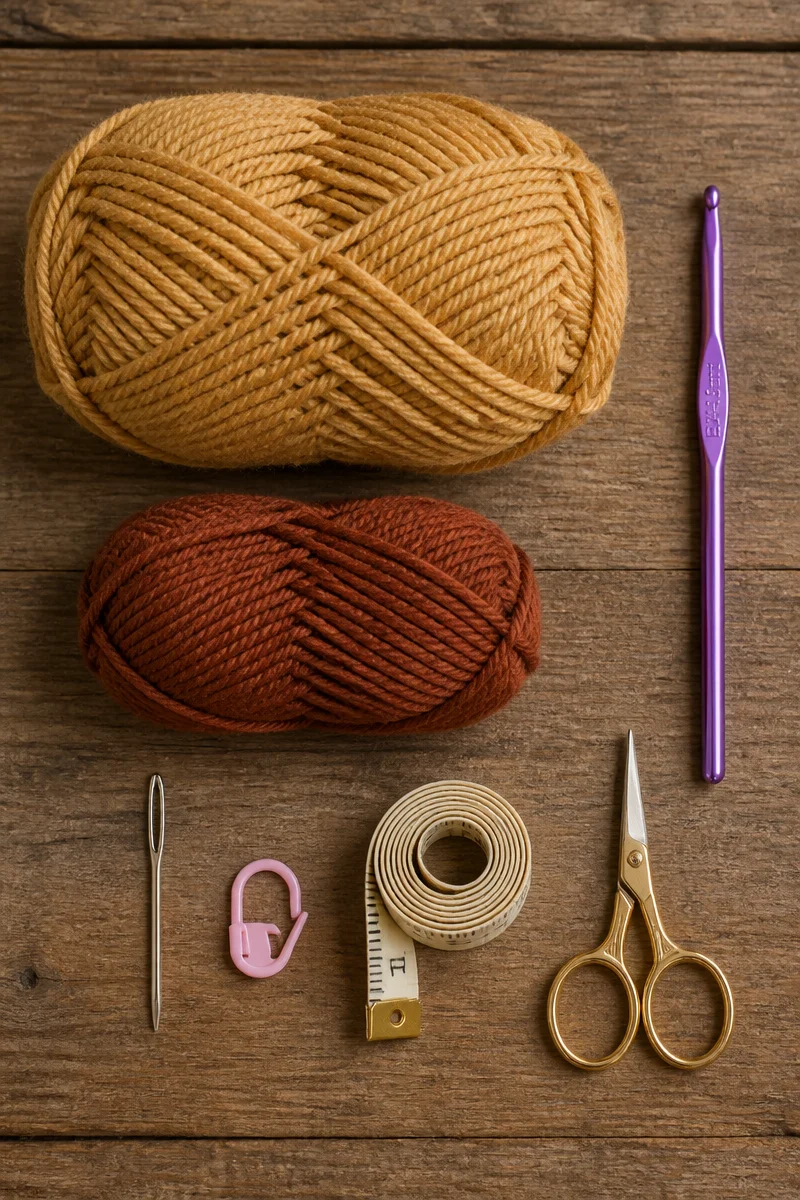
- Light worsted or DK yarn: This weight often gives the best balance of warmth, softness, and shape for a baby beanie.
- Cotton blend yarn: Cotton blends are breathable, so they work well for babies who may overheat easily.
- Acrylic baby yarn: A soft, washable acrylic is practical, especially for everyday wear and easy care.
- Merino wool blend: This is a good option for extra softness and warmth, especially in cooler weather.
- Hook size matched to the yarn: Use the hook size suggested on the yarn label, then adjust if your fabric feels too stiff or too loose.
- Slightly larger hook if needed: A larger hook can help create a softer drape, which is helpful for the pie crust edge.
Tips for Pie Crust Stitch Success
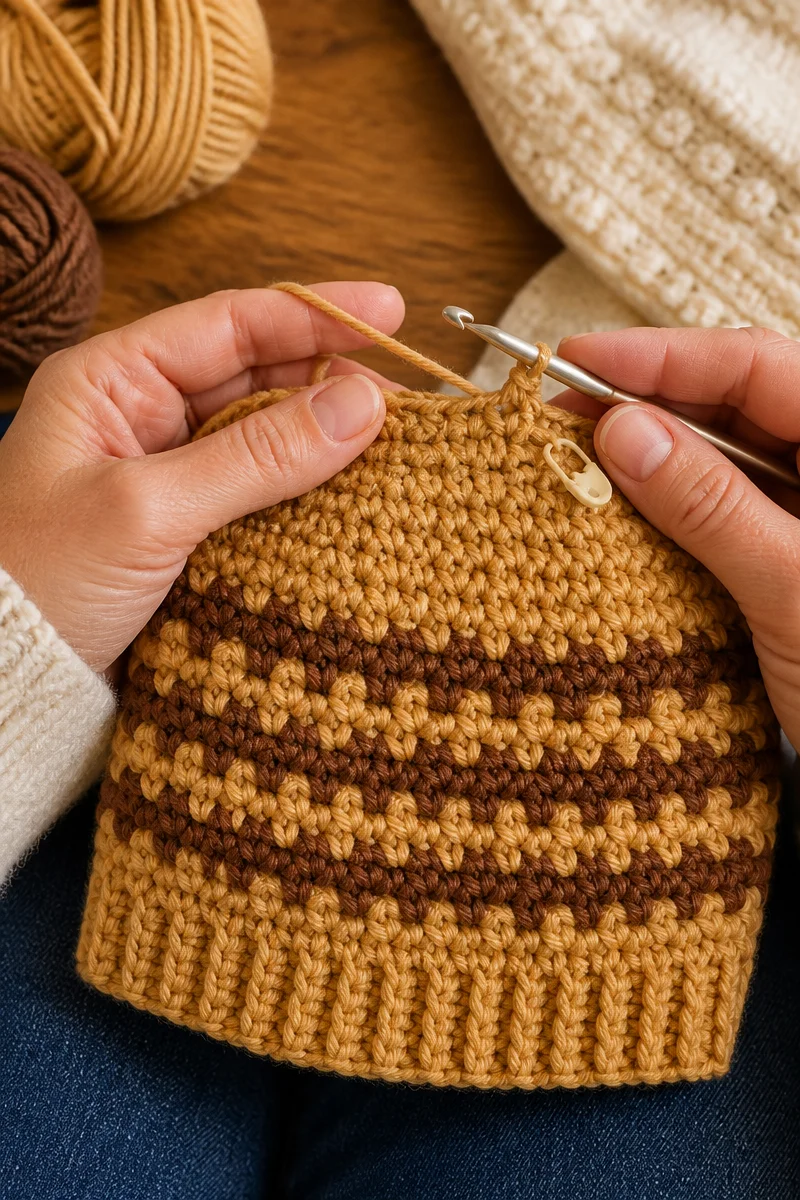
When working the pie crust stitch effect, keep your tension steady. If your stitches are too tight, the edge may pull inward and lose its soft shape. On the other hand, if your stitches are too loose, the beanie may lose structure. So, aim for a smooth, even hand from the start.
Also, count your stitches carefully, especially in the decorative rounds. This stitch style often depends on even spacing, and a small mistake can change the shape of the ruffle. In addition, read the pattern slowly and mark important rounds if needed. That way, you can stay on track and enjoy the process.
Common Mistakes to Avoid
One common mistake is using yarn that is too thick for a baby beanie. While bulky yarn can work for some hats, it may make the pie crust edge feel too heavy. Instead, choose a soft, lighter yarn so the shape stays sweet and wearable.
Another issue is uneven tension. If your tension changes from round to round, the brim may ripple too much or curl in strange ways. Therefore, try to keep your hands relaxed and your stitches even. If you feel tense, take a short break before continuing.
Miscounting stitches is also a frequent problem, especially when the pattern includes shells or clusters. Because decorative stitches build on spacing, one skipped stitch can throw off the whole round. So, use stitch markers if that helps, and check your count often.
Finally, the wrong hook size can cause trouble. A hook that is too small may make the hat stiff, while a hook that is too large may make it loose and floppy. For this reason, test your fabric first, and adjust until the hat feels soft but stable.
Care and Washing Instructions
Washing: In general, baby beanies made with acrylic or cotton blend yarn can be machine washed on a gentle cycle. However, always check the yarn label first. If you use wool or a wool blend, hand washing is often the safest choice.
Drying: Lay the beanie flat to dry so it keeps its shape. Avoid high heat, since it can stretch or damage the fibers. Also, reshape the brim while it is still damp if needed.
Blocking: Light blocking can help the pie crust baby beanie look neat and even. This is especially useful if the edge needs a little help settling into shape. Still, keep it gentle, because baby items should stay soft and flexible.
More Ideas to Try
If you enjoy the pie crust baby beanie, you may also like shell stitch baby blankets, ruffled baby headbands, textured toddler hats, or scalloped booties. These projects use a similar decorative feel, so they are a nice next step if you want to keep exploring soft, pretty baby crochet.
Conclusion
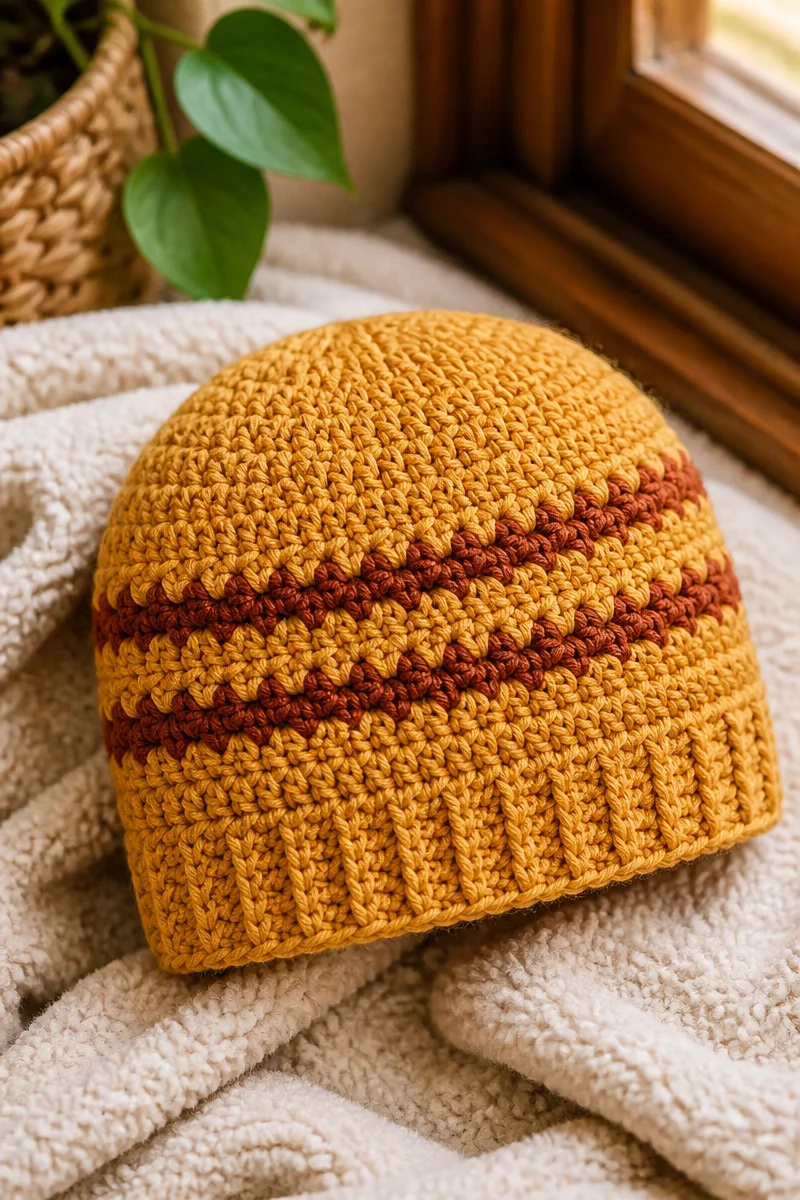
The crochet pie crust baby beanie is a lovely project because it blends comfort, charm, and simple style. With the right yarn, a suitable hook, and steady tension, you can create a baby hat that feels soft and looks polished. Just as important, this technique is flexible, so it works well for gifts, keepsakes, and everyday wear.
If you are ready to try it, pick a soft yarn and start with a small swatch or sample round. Then, share your results, save your favorite notes, and explore more baby crochet guides for your next project.