Crochet Petunia Flower Plant Pot Cover

Affiliate disclosure: This post may contain affiliate links. I may earn a small commission at no extra cost to you. See our Privacy Policy for details HERE.
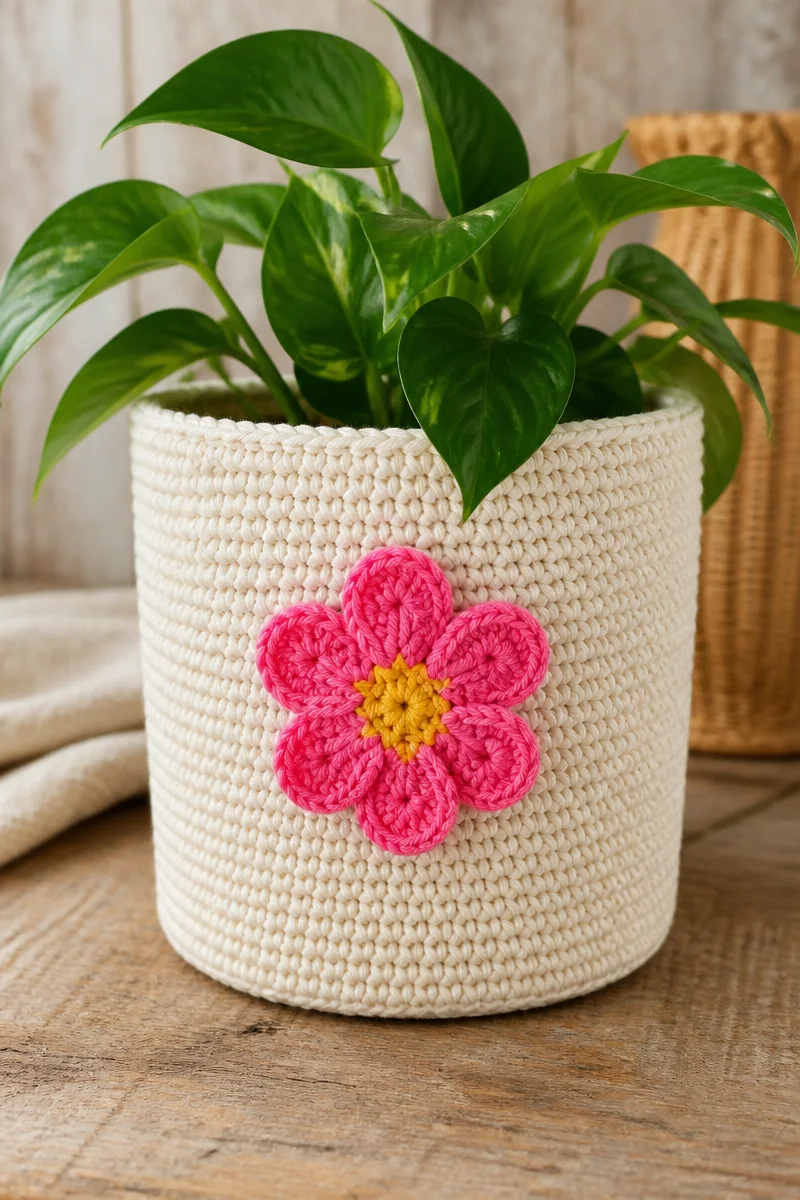
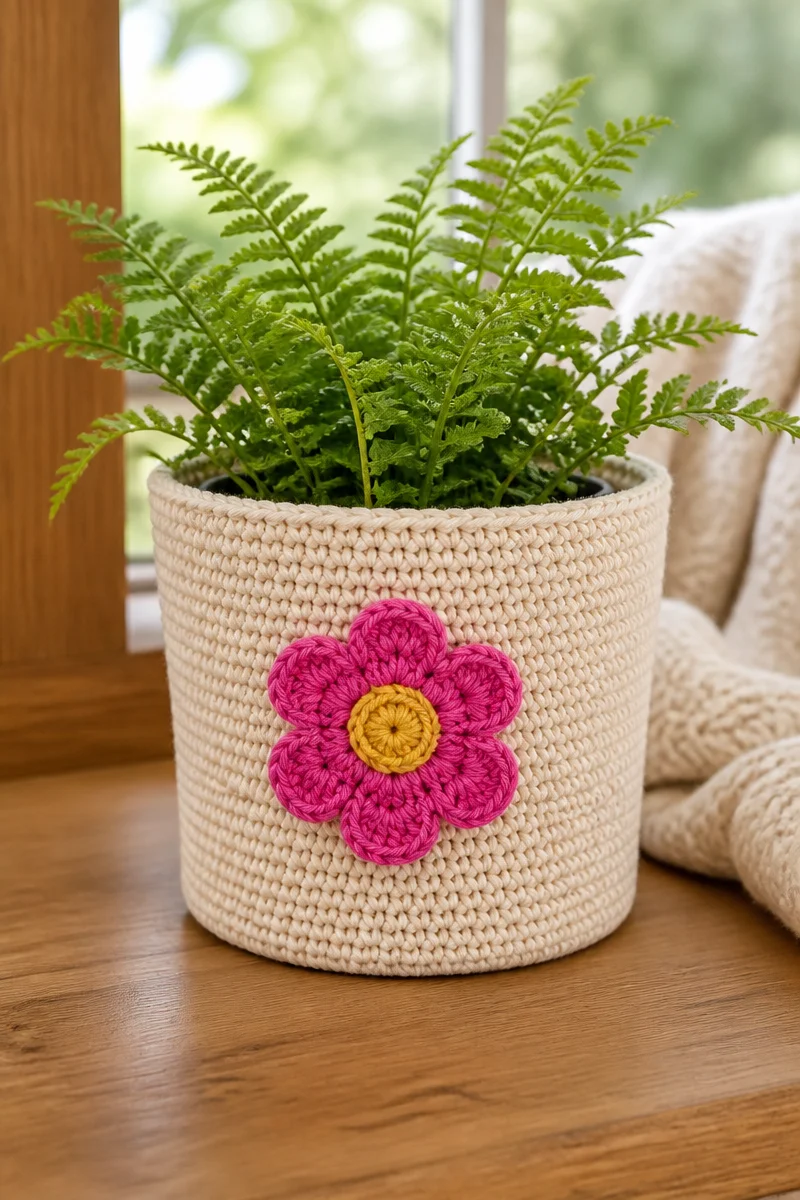
A crochet petunia flower plant pot cover is a cheerful way to dress up a plain planter. I love how a few crocheted petals can turn an everyday pot into a handmade accent for a windowsill, porch, or gift table. It brings color to a room without asking you to care for another flower.
This project combines a decorative flower with a crocheted cover that fits around a plant pot. The flower adds a soft, layered look, while the cover can be made in simple stitches that suit many skill levels. Because pot sizes vary, it also offers room to adjust the fit and choose colors that match your home.
In this guide, you’ll learn what makes a crochet petunia flower pot cover special, which yarn and hooks work well, and how to plan a comfortable fit. You’ll also find practical tips for neat stitches, common mistakes to avoid, and care advice to help your finished piece stay lovely.
What Is the Crochet Petunia Flower Pot Cover Technique?
A crochet petunia flower pot cover is a project type rather than one specific stitch. It usually has two parts: a crocheted sleeve or basket-like cover that wraps around a plant pot, and a petunia-inspired flower made from crocheted petals. The cover may use single crochet, half double crochet, or another sturdy stitch. The flower often uses chain stitches and taller stitches to create curved, layered petals.
The result is a textured cover with a bright floral accent. Crocheters enjoy this project because they can personalize the size, color, and flower placement. It can be a beginner-friendly make when the cover uses basic stitches, though shaping the petals may take a little practice.
Why This Is a Great Choice for Plant Pots
- It adds color indoors or outdoors. A flower cover can brighten a shelf, desk, porch, or sunny windowsill.
- It helps hide a plain nursery pot. The crocheted sleeve gives an ordinary planter a more finished, handmade look.
- It invites creative color choices. Try classic petunia shades, soft pastels, or a bold color that suits your space.
- It can be adjusted to fit. You can make the cover wider or taller to suit the pot you have.
- It makes a thoughtful handmade gift. Pair it with a plant, or give the cover on its own for a personal present.
Yarn and Hook Recommendations
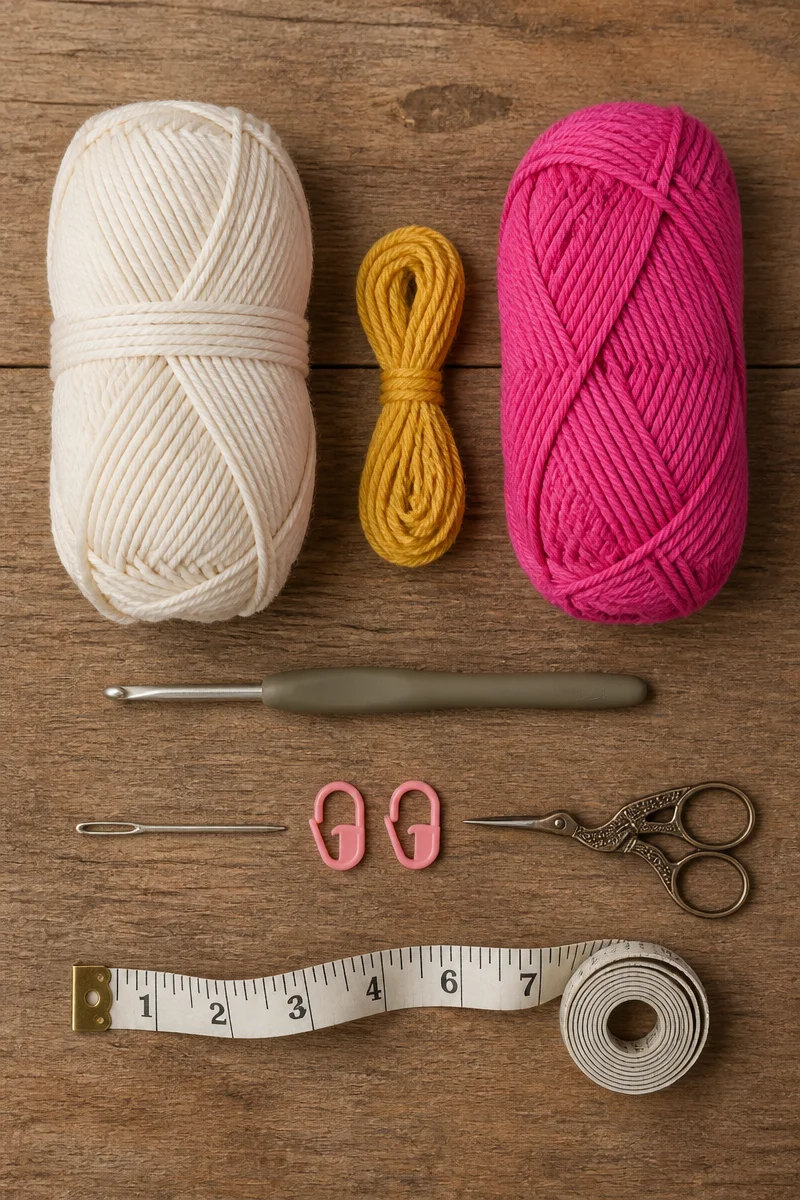
- Choose a sturdy yarn. Worsted-weight cotton is a popular choice because it holds its shape and creates clear stitches.
- Consider cotton blends. A cotton blend may feel softer to work with while still giving the cover useful structure.
- Use acrylic with care. Acrylic yarn offers many colors and easy care, but a soft, stretchy yarn may not hold the pot securely.
- Pick a smaller hook if needed. A hook that creates a firm fabric can help the cover stay close to the pot. Check the yarn label, then adjust based on your stitches.
- Use a lighter yarn for small petals. DK-weight yarn can make delicate flower details, though you may prefer to use the same yarn throughout for a coordinated look.
- Think about where the pot will sit. For a cover near a sunny window or on a porch, choose yarn with care and check its label for washing and sunlight guidance.
Tips for Crochet Petunia Flower Pot Cover Success
First, measure the pot at its widest point and around the base. Then, make a small test swatch with your chosen yarn and hook. A firm fabric usually works better than a loose, floppy one, since it helps the cover keep its shape. If you plan to remove the pot for watering, leave enough ease to slide the cover on and off.
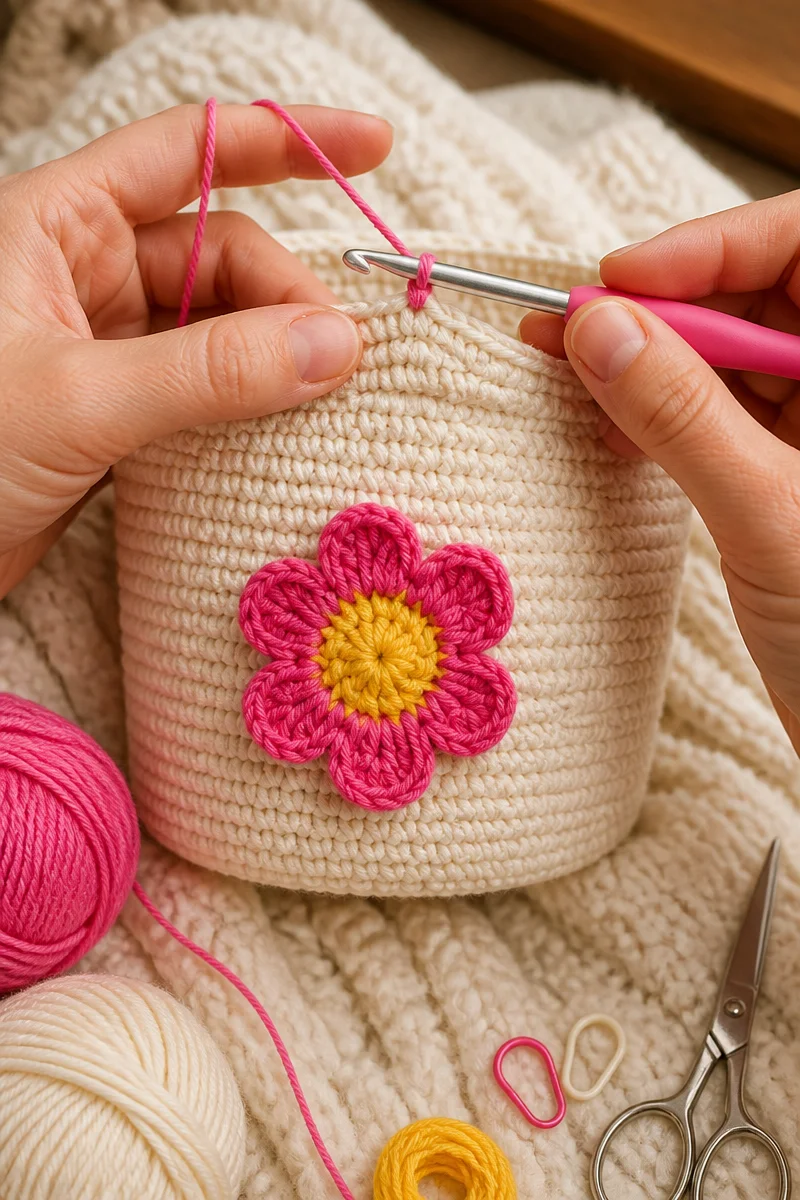
Next, count your stitches regularly, especially when working in the round. Mark the beginning of each round so it is easier to spot where one ends and the next begins. For the flower, keep your petal tension even and follow the pattern’s stitch placement closely. Work at a comfortable pace, and try the cover against the pot as you go.
Common Mistakes to Avoid
A cover that is too loose may sag or slip down the pot. On the other hand, one that is too tight can be hard to put on and may stretch out with use. Measure the pot before you begin, and check the fit as the cover grows.
It is easy to add or lose stitches when working in the round. As a result, the cover may flare, narrow, or look uneven. Use a stitch marker and pause every few rounds to check your stitch count.
A soft, stretchy yarn can make the cover lose its shape, while a very stiff yarn may be uncomfortable to crochet. Choose a yarn that feels good in your hands and creates a fabric sturdy enough for the project. A quick swatch can help you decide before you make the full cover.
Finally, remember that crochet yarn can absorb moisture. If water collects between the pot and its cover, the fabric may stay damp. Use a saucer, remove the cover before watering when needed, and let both the pot and cover dry fully.
Care and Washing Instructions
Washing: Follow the care label for your yarn. Cotton and many acrylic yarns can often be hand-washed or washed on a gentle cycle, but check the label first. Remove the cover from the pot before washing, and avoid leaving it wet around the plant.
Drying: Gently press out extra water with a towel. Then lay the cover and flower flat to dry, shaping the petals as needed. Avoid hanging a wet cover, since its weight can stretch the stitches.
Blocking: Light blocking can help shape the flower petals and smooth the cover’s edges. However, blocking is usually optional for a firm pot cover. Use a method that suits your yarn, and do not apply heat unless the yarn label says it is safe.
More Ideas to Try
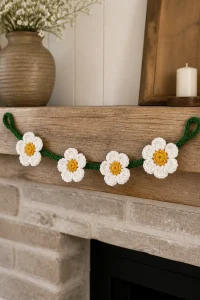
If you enjoy making a crochet petunia flower pot cover, you might also try a daisy or rose appliqué, a textured basket-style planter sleeve, a ribbed crochet cover, or a simple crocheted flower garland. Each project offers a new way to practice shaping, texture, and color.
Conclusion
A crochet petunia flower pot cover brings a handmade touch to a simple planter. With a sturdy yarn, a close-fitting cover, and carefully shaped petals, you can make a useful decoration that reflects your style. Measure your pot, check your fit as you work, and remember to let the cover dry fully after watering. Choose your favorite colors and give this project a try. Then share your finished flower or explore more crochet guides on the blog.