Crochet Moonflower Flower Table Runner
Affiliate disclosure: This post may contain affiliate links. I may earn a small commission at no extra cost to you. See our Privacy Policy for details HERE.
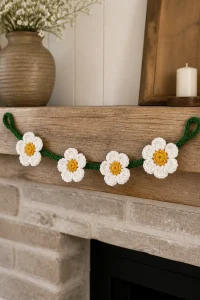
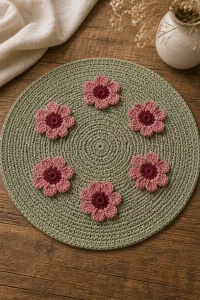
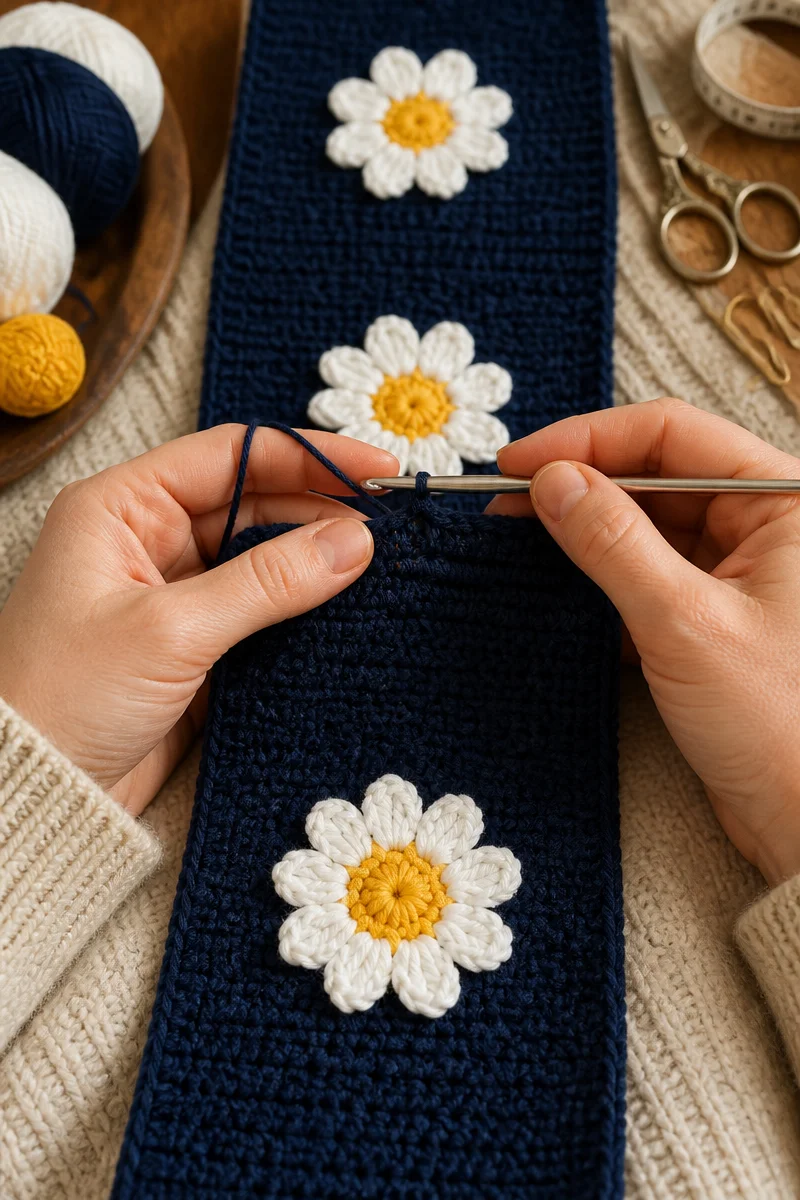
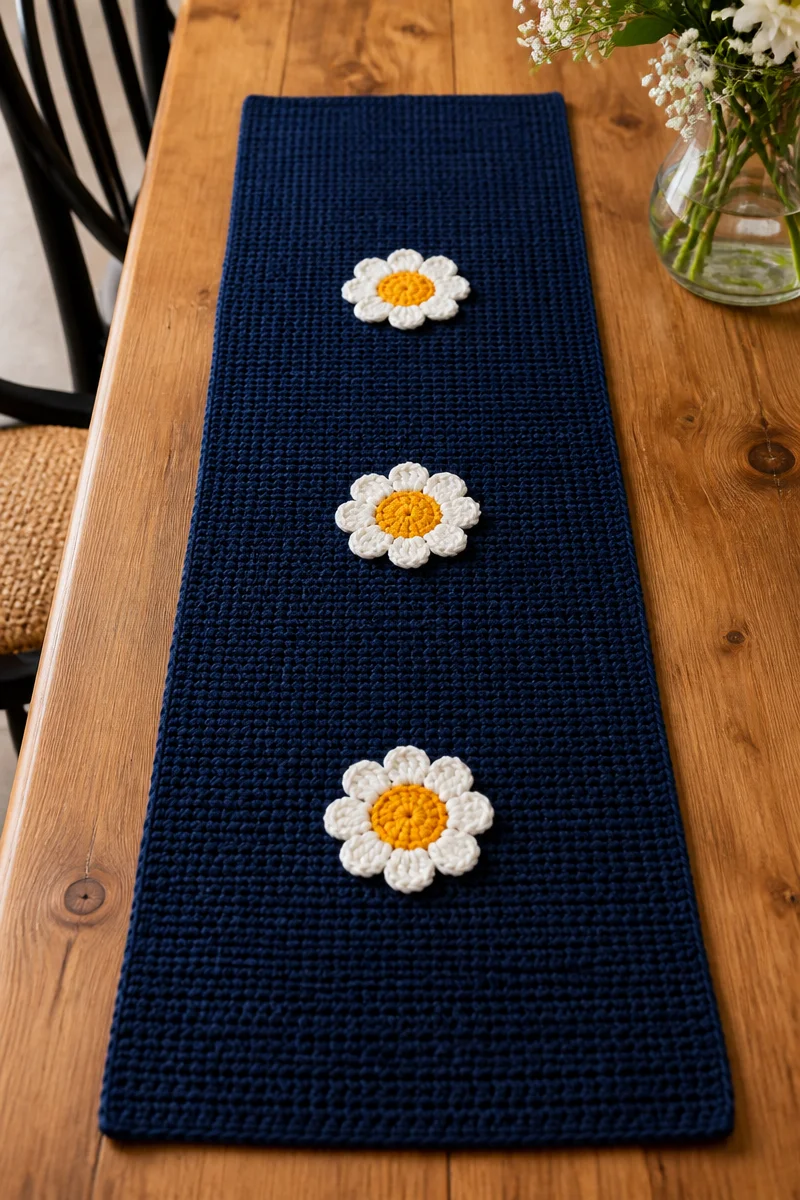
A Crochet Moonflower Flower Table Runner can bring a soft, handmade touch to a dining table, sideboard, or entryway. I love projects like this because they turn simple yarn into something that feels both useful and special. The flower shapes add charm without asking you to cover the whole table with a heavy cloth.
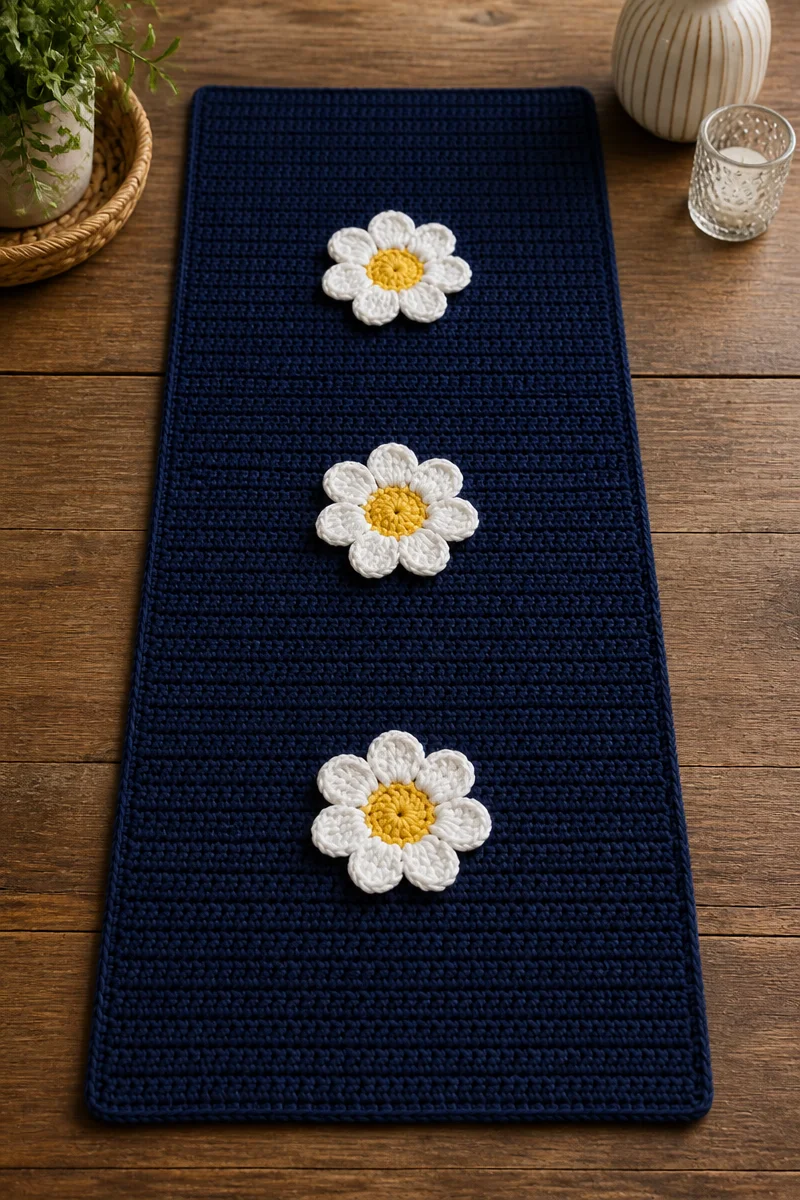
This table runner is made by joining crochet flower motifs, often called moonflower motifs. Each flower gives the fabric a lacy, textured look, while the joined shapes create a decorative strip. The skill level depends on the motif and joining method, but many versions are approachable for crocheters who know basic stitches and can follow a pattern.
In this guide, you’ll learn what makes a moonflower motif, why it works well as a table runner, and how to choose yarn and a hook. You’ll also find practical tips for keeping the motifs even, caring for the finished piece, and avoiding common problems.
What Is the Moonflower Motif?
A moonflower motif is a small, flower-shaped crochet piece worked in rounds. It is usually formed with a center and several rounds of stitches, chains, or open spaces that build outward into petal-like points. The exact look varies by pattern, so check the stitch key and photos before you begin.
Once the motifs are finished, you join them into a longer strip or a wider arrangement. As a result, the table runner gets its shape from the number and placement of the flowers. Crocheters enjoy this motif because it creates visual interest in small sections, and the portable pieces are easy to work on one at a time.
Why This Is a Great Choice for a Table Runner
- It creates a graceful look. The flower shapes bring a light, decorative feel to a table.
- It uses manageable sections. You can crochet one motif at a time, which makes the project easy to pause and pick up again.
- It is easy to customize. Add or remove motifs to adjust the runner’s length and width.
- It can use small amounts of yarn. Motifs are a handy way to use leftover yarn, as long as the fiber and weight match.
- It makes a thoughtful handmade gift. A finished runner works well for a housewarming, holiday table, or special family meal.
Yarn and Hook Recommendations
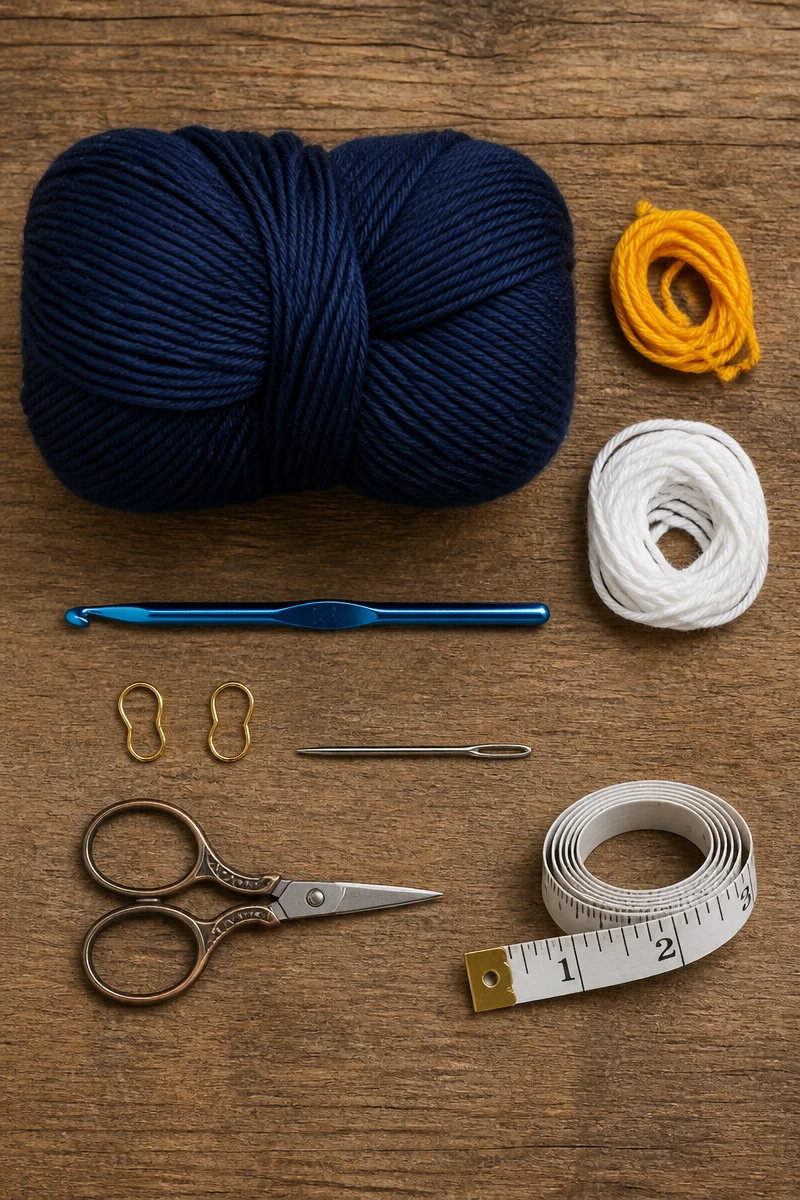
- Choose a fine or light yarn for a delicate runner. Fingering-weight or sport-weight yarn can show off the open spaces and petal details.
- Consider DK or light worsted yarn for a sturdier look. These weights create more substantial motifs, so check that the finished runner will still sit neatly on the table.
- Try cotton for everyday use. Cotton is durable and handles table use well. It can feel less stretchy than acrylic, so keep your tension relaxed and even.
- Use cotton blends for a softer hand. A cotton-acrylic blend may be easier to care for while still offering good stitch definition.
- Match the hook to the yarn and pattern. A smaller hook makes firmer motifs, while a larger hook gives a more open fabric. Follow the pattern’s suggestion, then make a small test motif.
- Check the hook material and grip. A smooth metal hook can help you work fine cotton yarn, while an ergonomic handle may feel more comfortable during longer sessions.
Tips for Moonflower Motif Success
First, make one complete motif before starting a large batch. It helps you check the size, shape, and stitch definition. Then, use that motif as a guide while you work the rest. Count stitches and chain spaces at the end of each round, because a small difference can affect how the edges line up when you join the flowers.
Also, keep your tension steady and avoid pulling the joining yarn too tight. If the motifs curl or cup, review your stitch count and hook size before continuing. Finally, take breaks and mark your place in the pattern. A calm pace makes it easier to enjoy each flower and catch mistakes early.
Common Mistakes to Avoid
One common problem is changing tension from one motif to the next. If some flowers are noticeably larger, the runner may ripple or twist after joining. To prevent this, compare each new motif with your first one and check that you are using the same yarn, hook, and working tension.
Another pitfall is missing a stitch or chain space. This can leave a petal uneven or make the final round difficult to join. Therefore, count each round as the pattern directs, and use a stitch marker to identify the start of a round when needed.
The wrong yarn weight can also change the finished runner’s size and drape. A bulky yarn may make the piece too thick for a table, while very fine yarn can take longer to work and may need careful handling. Make a test motif first, and remember that the pattern’s finished measurements may change when you use a different yarn.
Lastly, joining motifs too tightly can pull the edges inward. On the other hand, loose or inconsistent joins may leave gaps that look uneven. Test the joining method on two motifs before connecting the whole runner, and keep your joins consistent.
Care and Washing Instructions
Washing: Check the yarn label first. Cotton and many cotton blends can often be washed gently, but some fibers may shrink or lose shape. When in doubt, hand-wash the runner in cool water with a mild soap, and avoid twisting or wringing it.
Drying: Press out extra water with a clean towel. Then, lay the runner flat on a dry surface and gently arrange the motifs. This helps the piece keep its shape as it dries.
Blocking: Blocking can help open the flower details and smooth the edges. Pin the runner into shape on a suitable surface, following the care needs of your yarn. Use a light touch, especially with cotton, and let the piece dry fully before moving it.
More Ideas to Try
If you enjoy a Crochet Moonflower Flower Table Runner, you might also like joining granny-square flower motifs into a table mat, making a simple lace runner with chain spaces, trying a solid center with open petals, or using two coordinating colors for each flower. These variations let you explore new textures while building on the skills you have already practiced.
Conclusion
A Crochet Moonflower Flower Table Runner combines individual flower motifs into a useful and decorative home piece. Choose yarn that suits your table, keep your motifs consistent, and test the join before assembling the full runner. Most of all, take your time and enjoy watching the flowers grow. Try a motif today, share your finished runner, or explore another crochet guide on the blog for your next project.