Crochet Wallflower Flower Pot Holder
Affiliate disclosure: This post may contain affiliate links. I may earn a small commission at no extra cost to you. See our Privacy Policy for details HERE.
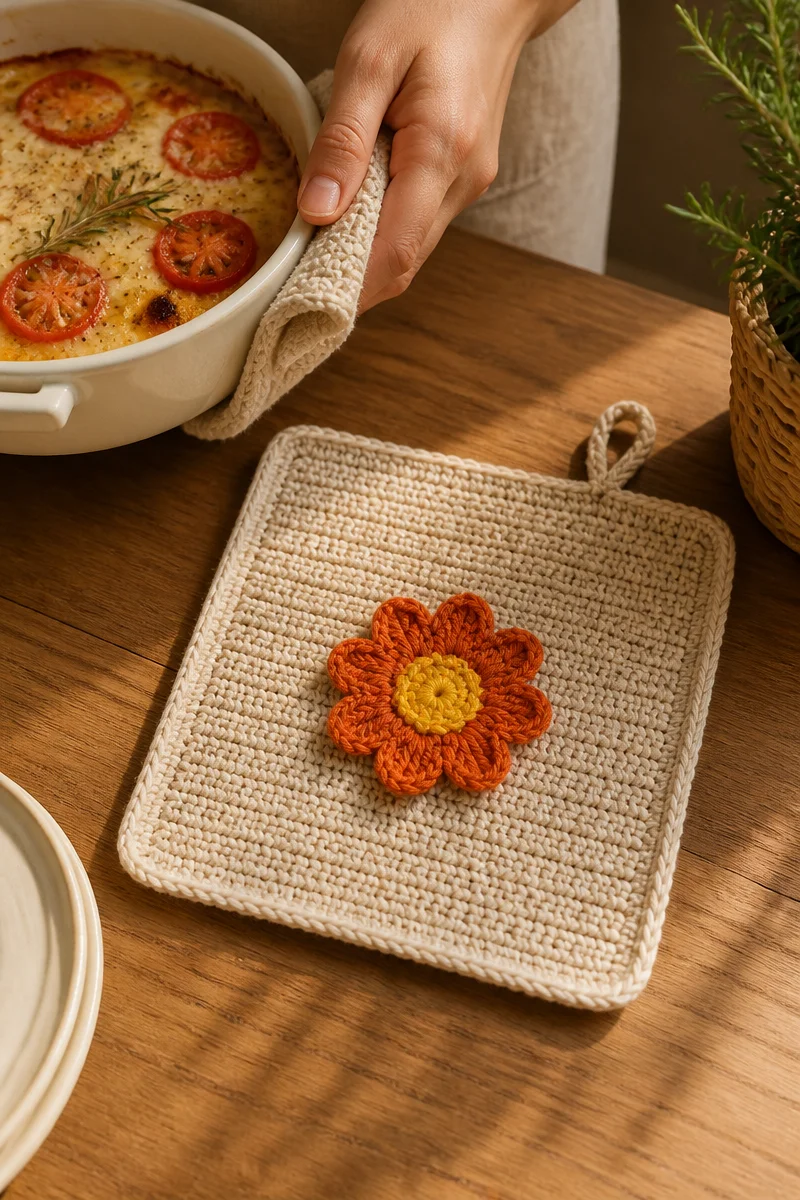
A Crochet Wallflower Flower Pot Holder is a cheerful way to bring handmade charm to a windowsill, porch, or sunny kitchen corner. I love projects like this because they turn a simple plant pot into a small display piece, while giving crocheters a chance to play with color and texture.
This design combines a flower-inspired look with the useful shape of a pot holder or cover. It can be made in different sizes, and the finished piece may suit a range of skill levels depending on the pattern. Since crochet yarn can be damaged by water or soil, it is best to think of this as a decorative cover rather than a plant’s only container.
In this guide, we’ll look at the flower-pot project style, yarn and hook choices, and ways to get a neat finish. You’ll also find practical tips for shaping and caring for your Crochet Wallflower Flower Pot Holder, along with common problems to watch for.
What Is the Wallflower Flower Pot Holder Technique?
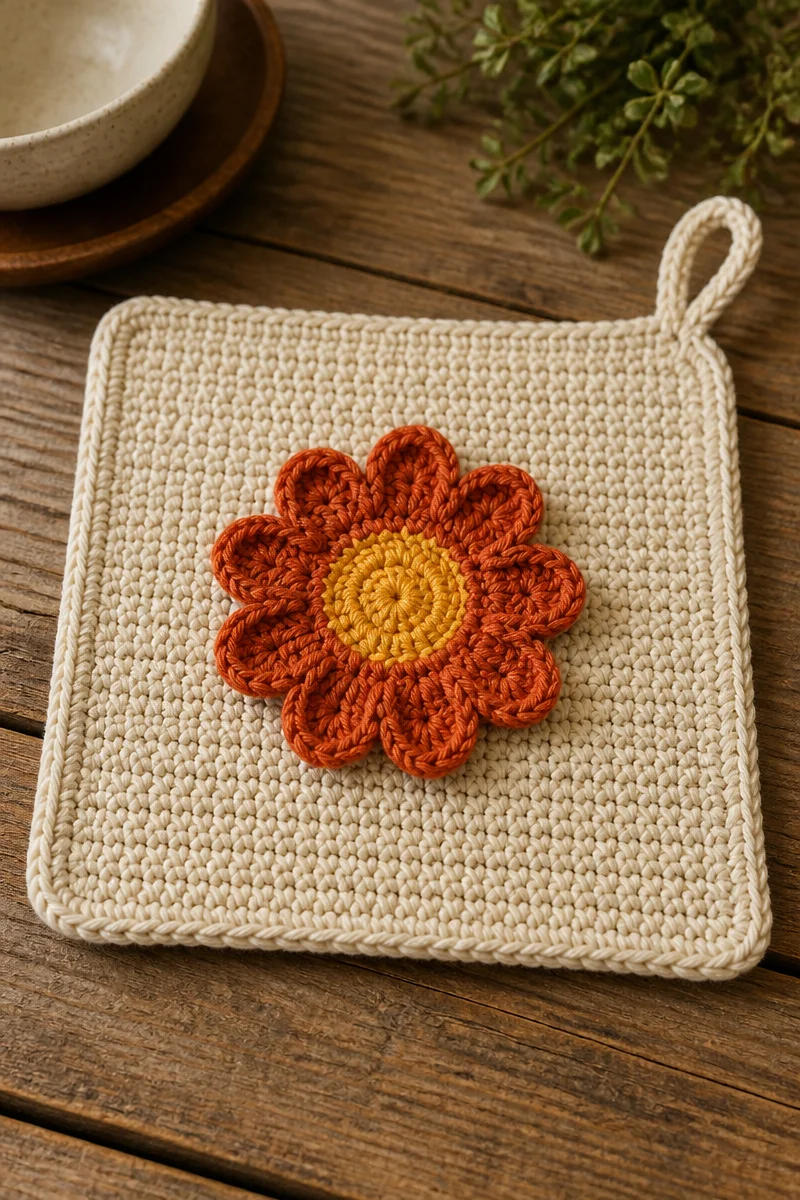
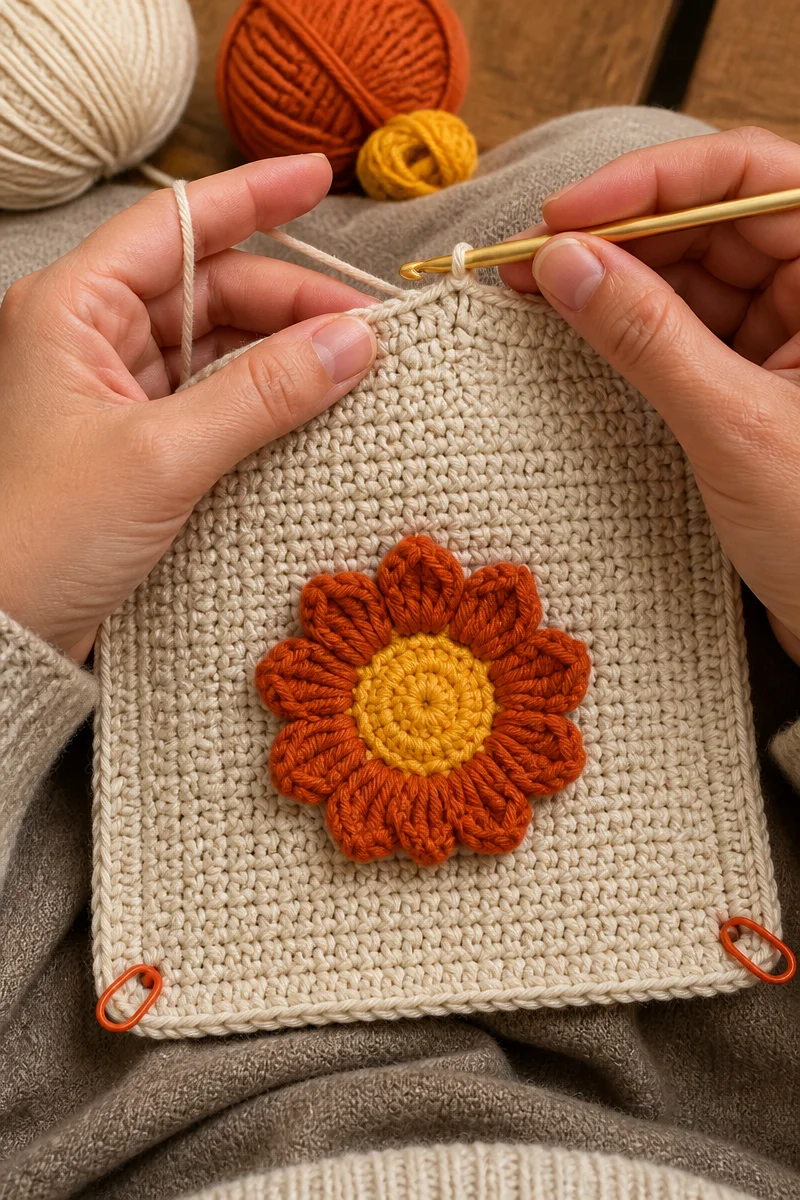
The Wallflower Flower Pot Holder is a crochet project style, not one single standard stitch. It usually combines a crocheted pot cover with a flower motif or flower-like details. Depending on the design, the flower may be made separately and sewn on, or worked into the cover as you crochet.
The pot-cover section often uses basic stitches, such as single crochet, half double crochet, or double crochet, to create a fabric that wraps around a pot. A flower motif adds petals, color, and texture. Crocheters enjoy this style because it lets them personalize a useful item with a bright, handmade accent. The exact stitch pattern and construction can vary from one design to another.
Why This Is a Great Choice for Plant Pot Covers
- It adds color to a room. A flower detail can brighten a plain pot without taking attention away from the plant.
- It is easy to personalize. You can change the flower, colors, or cover size to suit your home.
- It can use small amounts of yarn. Scraps often work well for petals and leaves.
- It offers room to practice. The cover may use familiar stitches, while the flower can introduce simple shaping.
- It makes a thoughtful handmade gift. A cover paired with a potted plant can be a warm present for a housewarming or birthday.
Yarn and Hook Recommendations
- Choose a sturdy yarn. Worsted-weight cotton is a popular choice because it holds its shape and is generally easy to wash.
- Consider cotton blends. A cotton-acrylic blend can offer a balance of structure and softness, though care needs depend on the label.
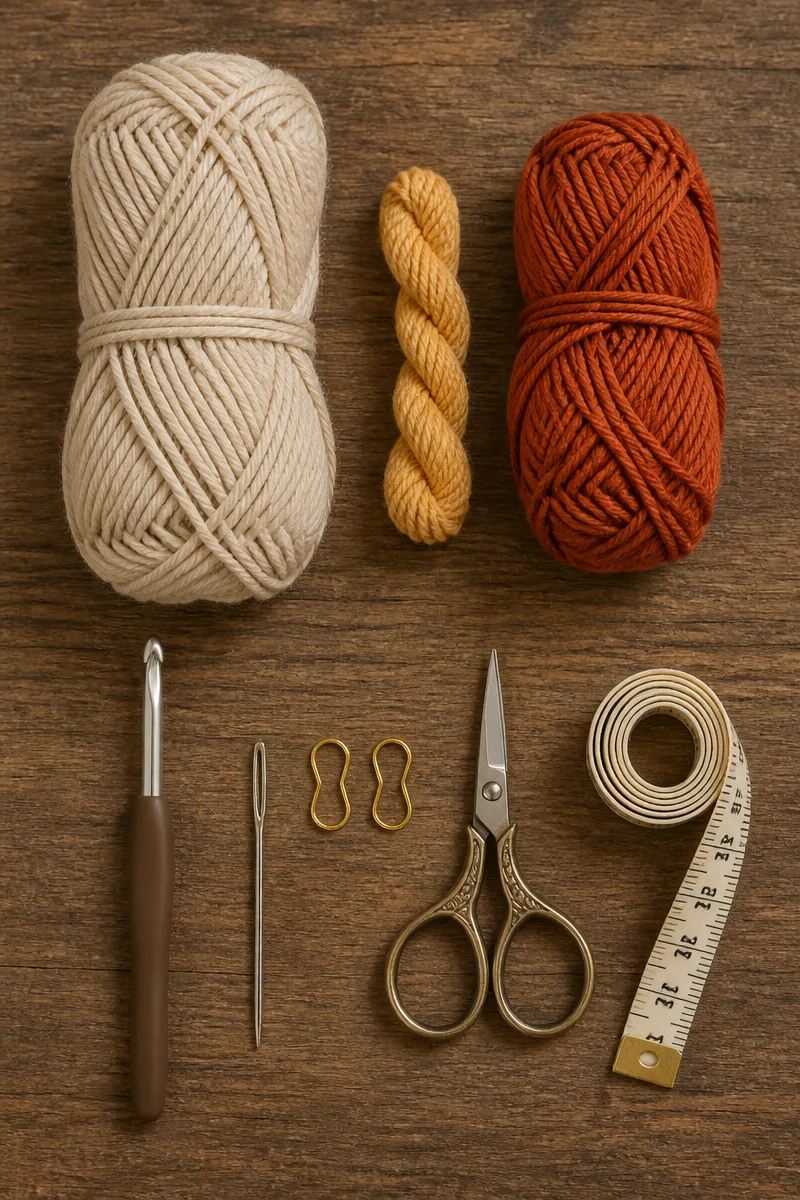
- Use scraps for small details. Small amounts of contrasting yarn are useful for petals, leaves, or a flower center.
- Match the hook to the yarn. Check the yarn label and pattern first. A hook that is slightly smaller than the label’s suggestion may make a firmer cover, but the fabric should still be comfortable to work.
- Avoid very delicate fibers. Fine wool, fuzzy yarn, or loosely spun yarn may not hold a pot-cover shape as well and can be harder to keep clean.
- Check your fit before finishing. Crochet fabric can stretch, so test the cover around the intended pot as you work rather than relying only on measurements.
Tips for Wallflower Flower Pot Holder Success
First, measure the pot at its widest point and around the base. Then compare those measurements with the cover as you crochet. A little ease can help the cover slide on, but too much may cause it to sag. If the design uses separate flower pieces, keep track of their placement before sewing them down.
Also, work at a steady pace and count stitches at the end of each round or row. Consistent tension helps the cover sit evenly, while a stitch marker can make it easier to spot the start of a round. If the fabric feels too loose, try a smaller hook; if it feels stiff, try a larger one. However, test a small swatch first when the pattern’s fit matters.
Common Mistakes to Avoid
A cover that is too large may droop, while one that is too small may stretch or refuse to fit over the pot. So, measure the pot and check the fit as you go. Keep in mind that different yarns can stretch in different ways.
Uneven tension can make the cover look lopsided or cause the edges to flare. Instead, pause now and then to lay the work on a flat surface and check its shape. If the design calls for increases or decreases, count carefully so the cover does not become wider or narrower by accident.
Another common issue is choosing yarn based only on color. A soft, delicate yarn may look lovely, but it might not give the cover enough structure. For a practical result, choose a yarn that can handle regular handling and follow its care label.
Finally, remember that crochet is not waterproof. If wet soil or water touches the yarn, the cover may stain or stay damp. Use a separate pot or saucer to catch water, and remove the cover before watering when needed.
Care and Washing Instructions
Washing: Check the yarn label before cleaning. Cotton and many acrylic yarns can often be hand-washed or machine-washed on a gentle cycle, but care instructions vary. Remove the cover from the pot first, and avoid washing it with soil or plant residue.
Drying: Press out extra water gently without twisting the crochet. Then lay the cover flat on a clean towel and reshape it as it dries. Avoid high heat unless the yarn label says it is safe.
Blocking: Light blocking can help smooth the edges and set the shape. However, do not stretch the cover too far, or it may become loose around the pot. Pin it to the size you need, and follow the fiber’s care guidance.
More Ideas to Try
If you enjoy the Crochet Wallflower Flower Pot Holder, try making a simple crochet flower coaster, a leafy plant hanger, or a textured pot cover without an added motif. You could also experiment with a granny-square flower or a small sunflower accent for a different look.
Conclusion
A Crochet Wallflower Flower Pot Holder is a bright, flexible project that can make an ordinary pot feel special. Choose yarn that suits the cover’s purpose, measure the pot as you work, and keep the crochet away from standing water. Then add your favorite flower colors and enjoy making the design your own. Try one for a windowsill plant, share how yours turns out, or explore another crochet flower project on the blog.