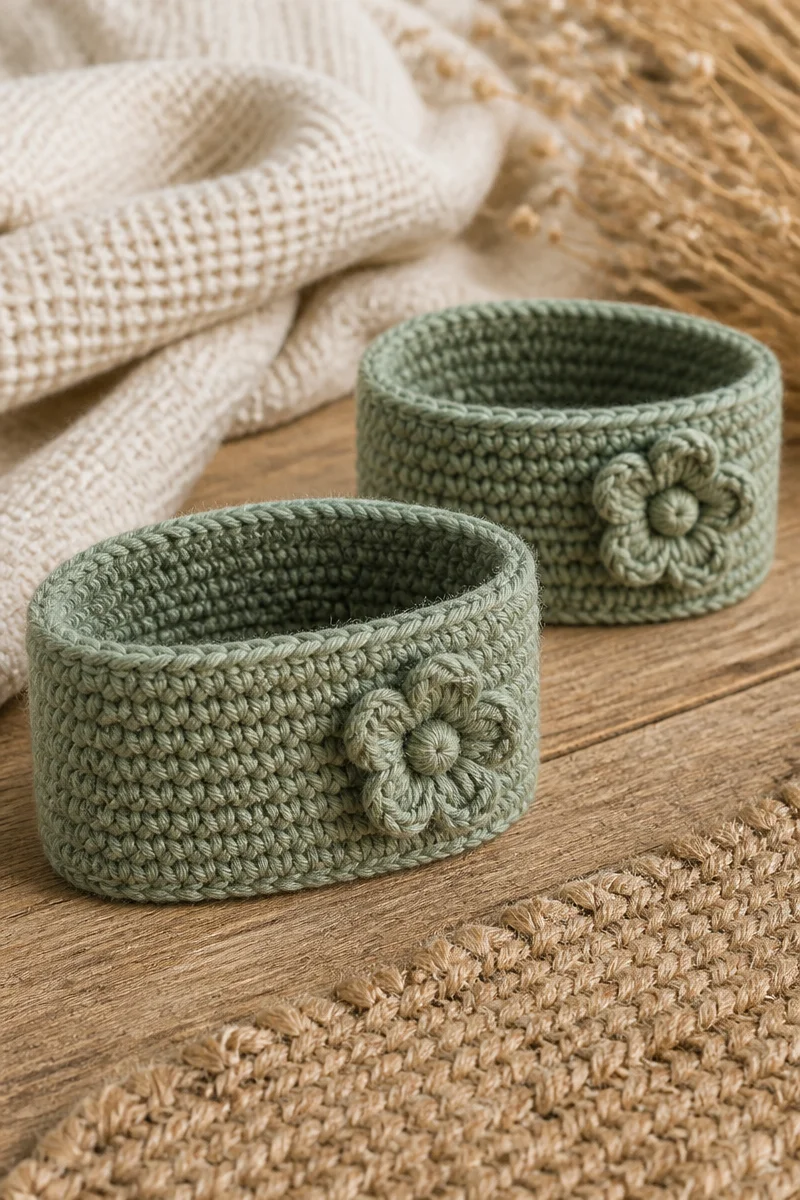
Crochet Sage Green Ponytail Cuff Duo

Affiliate disclosure: This post may contain affiliate links. I may earn a small commission at no extra cost to you. See our Privacy Policy for details HERE.
A sage green ponytail cuff is one of those small crochet makes that feels both useful and pretty. I love this kind of project because it adds a soft handmade touch to something simple we use every day. Plus, it is quick, calming, and a nice way to use up yarn you already have.
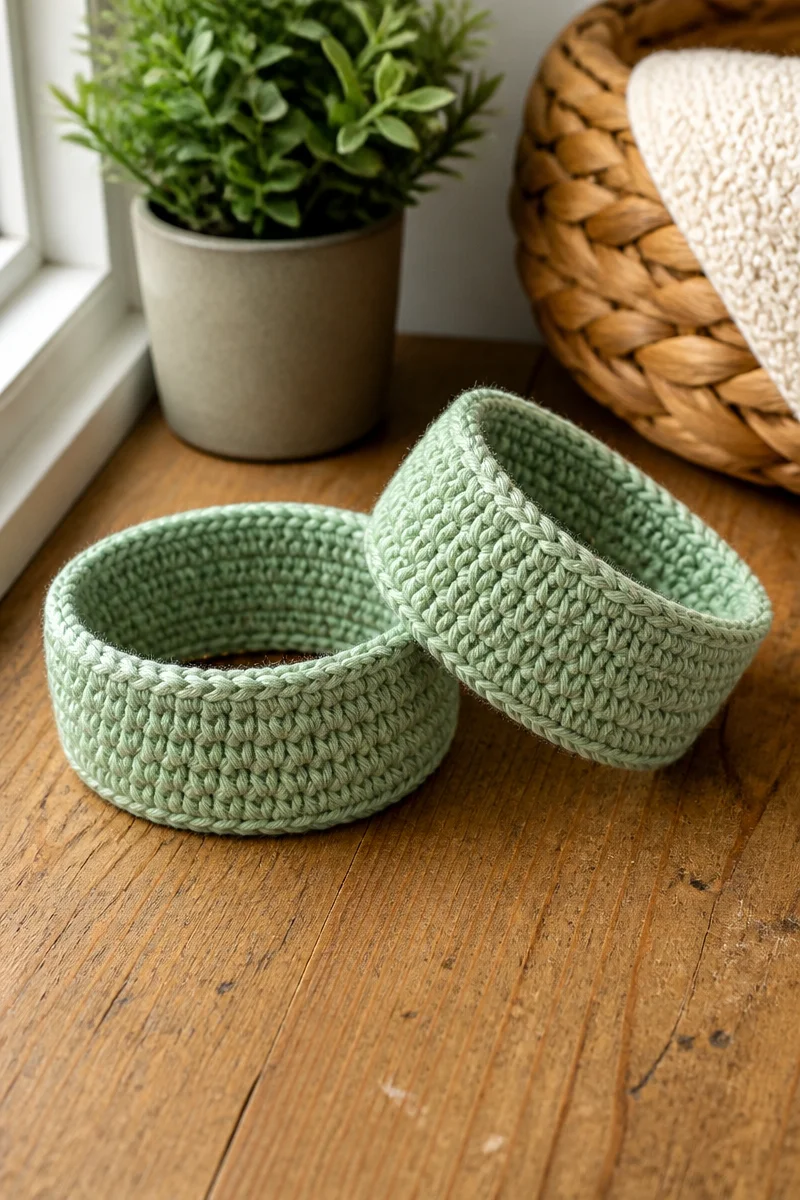
What makes a Crochet Sage Green Ponytail Cuff Duo special is the mix of style and function. The sage green color feels calm and classic, while the cuff itself can add texture, stretch, and charm to a ponytail. In many cases, this type of project is beginner friendly, small in size, and easy to finish in one sitting or over a weekend.
In this guide, you will learn what makes a crochet ponytail cuff so handy, which stitches and yarns work best, and how to get a neat result. You will also find practical tips, common mistakes to avoid, and simple care advice so your handmade accessory stays lovely for a long time.
What Is the Crochet Ribbed Stitch?
The crochet ribbed stitch is a textured stitch pattern that creates raised lines, much like knitted ribbing. Most often, crocheters make it by working in the back loop only, or by using front post and back post stitches. As a result, the fabric becomes stretchy, tidy, and easy to shape.
People like the crochet ribbed stitch because it looks neat and feels soft. It holds its form well, which is helpful for small accessories like a pony tail cuff. Also, the texture gives the piece a polished look without making it hard to work.
Why This Is a Great Choice for a Ponytail Cuff
- It stretches well. That matters because a ponytail cuff needs to wrap around hair comfortably.
- It looks polished. The ribbed texture gives a clean, finished style, even in a small project.
- It works up quickly. Since a ponytail cuff is small, you can make one fast and enjoy the result sooner.
- It feels secure. The texture helps the cuff stay in place around a hair tie or elastic.
- It is easy to customize. You can change the width, length, and color to match your style or wardrobe.
Yarn and Hook Recommendations
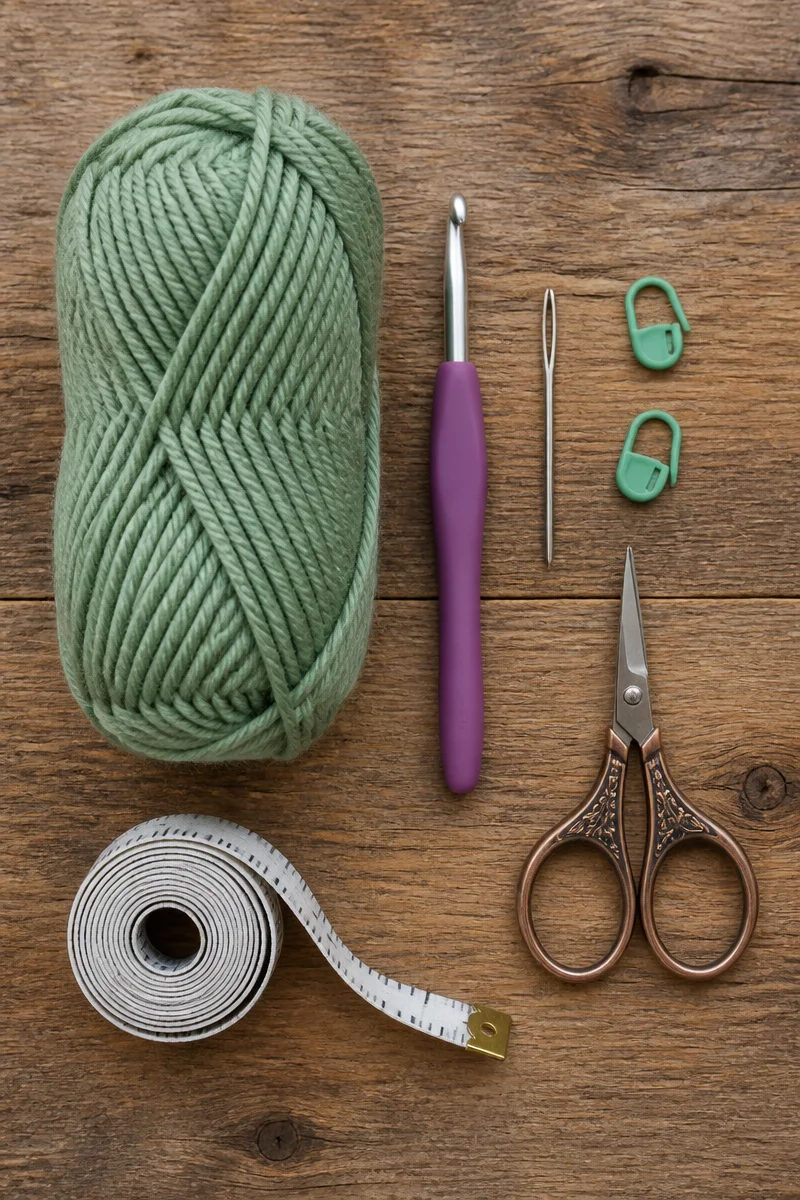
- Light worsted or DK yarn works well because it gives structure without feeling too bulky. It also helps the cuff stay neat and flexible.
- Cotton yarn is a smart choice if you want a firm, breathable cuff with good stitch definition. It is especially nice for warm weather wear.
- Cotton blend yarn offers a little more softness and stretch, so it can feel more comfortable against the hair.
- Acrylic yarn is budget friendly and easy to care for. It is a good pick if you want practice pieces or everyday wear.
- A smaller hook than the yarn label suggests can help the cuff hold its shape better. This is useful when you want a snug fit.
- A 3.5 mm to 5 mm hook is often a good range, depending on yarn weight and how tight or loose you crochet.
Tips for Crochet Ribbed Stitch Success
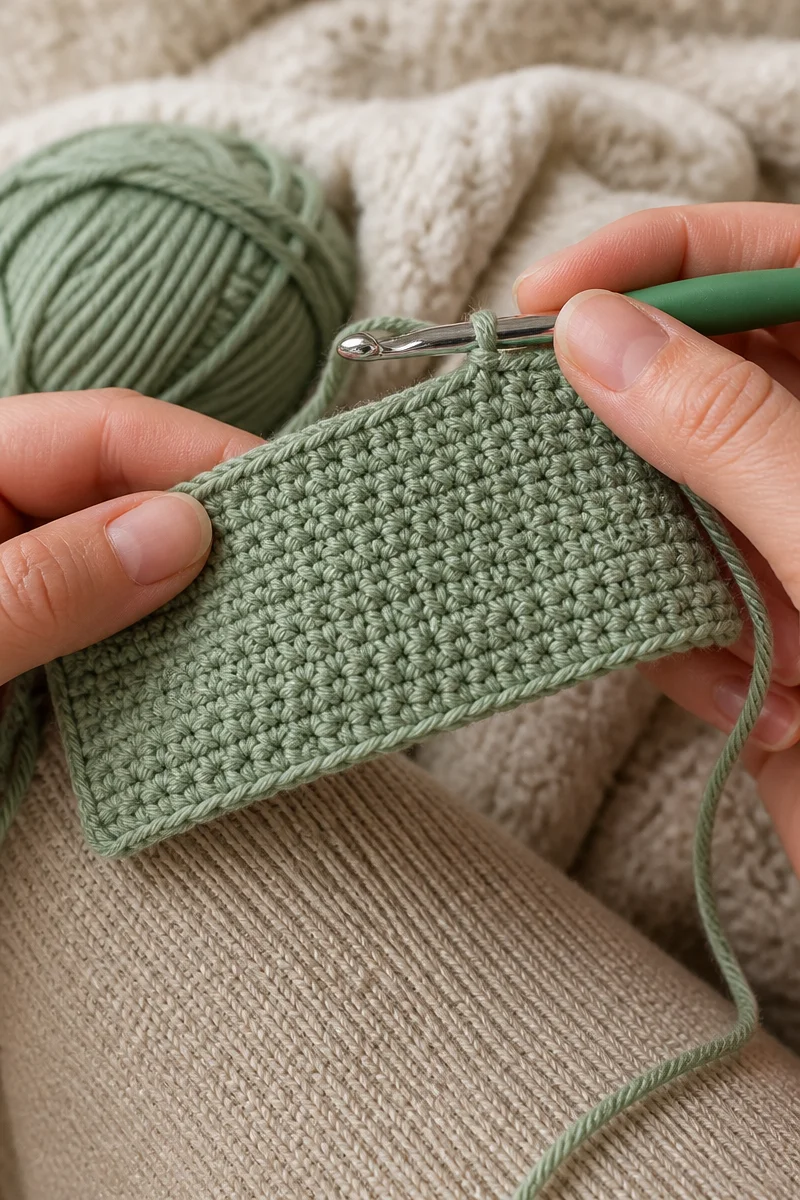
The most helpful tip is to keep your tension even. If your stitches are too loose, the cuff may lose shape. On the other hand, if they are too tight, the fabric may feel stiff and less comfortable. So, try a few test rows before starting your final piece.
Also, count your stitches often. Because ribbing can hide stitch tops, it is easy to miss a stitch or add one by mistake. In addition, when making a small item like a pony tail cuff, even one small counting mistake can change the fit. Therefore, it helps to pause every few rows and check your work.
Common Mistakes to Avoid
One common mistake is using a yarn that is too thick. While bulky yarn may seem cozy, it can make the cuff too heavy and stiff. Instead, choose a yarn that gives you soft structure without too much bulk.
Another mistake is making the stitches too loose. If the ribbing does not have enough tension, the cuff may stretch out fast and lose its shape. For that reason, many crocheters like to size down their hook a little for this kind of project.
It is also easy to miscount, especially when working in the back loop only. Since the texture can make the stitch tops harder to see, take your time. Moreover, using stitch markers at the start of each round or row can help you stay on track.
Finally, be careful not to choose a cuff that is too tight for the hair tie underneath. The finished piece should feel snug, but it still needs room to slide on and off with ease. So, always test the fit before finishing off your ends.
Care and Washing Instructions
Washing: In general, wash your crochet ponytail cuff by hand in cool water if it is made from cotton, acrylic, or a soft blend. If the yarn label allows machine washing, place it in a small mesh bag first. Also, use a gentle soap and avoid strong scrubbing.
Drying: Lay the cuff flat to dry so it keeps its shape. This is especially useful for ribbed stitches, since hanging can stretch the piece over time.
Blocking: Light blocking can help the cuff relax and look more even, especially if the stitch edges curl a little. However, do not over-block it. The goal is to shape it, not to remove the stretch that makes it useful.
More Ideas to Try
If you enjoy a Crochet Sage Green Ponytail Cuff Duo, you may also like a crochet headband, wrist warmer, hair scrunchie cover, or a simple ribbed cuff bracelet. In addition, you could try the same ribbed stitch in different colors, such as cream, dusty rose, or soft gray, to build a matching accessory set.
Conclusion
A crochet ribbed stitch ponytail cuff is a small project with a big payoff. It is practical, pretty, and easy to personalize. Plus, with the right yarn, hook, and a little care, you can make a comfortable accessory that looks lovely in sage green and works well for everyday wear.
If you want a quick make that feels useful and stylish, this is a great one to try. Give it a go, share your finished cuff with fellow crocheters, and explore more crochet guides to keep your skills growing one cozy project at a time.